
God-Likeness: The Paradox of Humility and Sacrifice
Which is Which?

Throughout the ages, there has been in man a strange obsession with being like God, or even being a god, while denying God’s position, some even denying His very existence. I call this phenomenon “nature’s cry for its essence.” The truth is, we were created to be like God, to bear His image and reflect, within the creaturely sphere, something of His character and rule; the very essence of our existence is to bear the image and likeness of God. This was perfectly demonstrated in the life of Christ Jesus. As a man, He perfectly displayed what it means to be a recipient and expressor of God’s character.
Deep within the heart of man there is a longing, a deep desire to rise above the earthly, to rise above the debasing influences of this world, and to conquer the weaknesses and defects of our nature. This deep-seated desire is a cry to experience the fullness of love and the beauty of holiness, which is the ideal essence of existence.
O! How we grapple, how we are ever reaching out, yet never grasping it. What could be the problem? What great obstacles stand in our way that we cannot surmount? The problem was never being like God, for in the counsels of the Godhead it was determined that man would bear the likeness of His Maker. The problem, therefore, is our concept of God-likeness. There is a distorted conception of God-likeness that says to be like God is to be independent of Him, to have self-governance independent of His law, to have His likeness through disobedience. This is not a new idea. In the book of Genesis, we see two conceptions of God-likeness. The first is declared by God Himself. He declares, “Let us make man in our image, after our likeness,” and the second is declared by Satan through a serpent. He declares, “Ye shall be as gods.” The first one is real God-likeness. Of this kind, Christ revealed something astonishing: that to be like God is to descend, give, serve, humble oneself, and sacrifice oneself for another. These very same conceptions are still tussling for supremacy to this day. Thousands of paths have been made, all claiming to have the same end goal. Really now? Do they all lead to the same goal? We need to revisit our concepts of God and thereafter our concepts of God-likeness.
Pride: The Great Usurper

Throughout the ages, it has been evident that the greatest enemy of human purity and exaltation, not to mention nobility, integrity, and development, has been his inability to self-generate and exercise humility. Pride is the driving force behind multitudes of human enterprises and forms of conduct. Of this tragedy, Blaise Pascal wrote:
“Pride takes such natural possession of us in the midst of our woes, errors, etc. We even lose our life with joy, provided people talk of it.”
This was the blinding force behind Lucifer’s rebellion in Heaven. He lost the ability to see, appreciate, and acknowledge God for who He truly is and His will for His creatures. Lucifer imagined that there was something better and greater than what he had already been given; he imagined that there was another way, another form of godliness, or even divinity itself, that was superior to what the only true God had revealed to him. This was the downfall of one of the most gifted and exalted angels of God. That distorted conception, ruled by pride, never ceased; instead, he passed it on to a third of the angels and later to the human race. This trait is our greatest obstacle to being God-like; it also has a blinding effect, distorting our very conception of God.
Our refusal to accept the only optimum way of life is a direct result of pride, fuelled by a strong desire to indulge our appetites and inordinate desires without restraint. Therefore, “self is a great usurper, placing itself where God should be.”
We then project our selfish and prideful natures onto God—our short-sightedness and imprudence. We make these the traits of God’s character; we conceptualize gods in our own image. These be the gods we aspire to be like. Hence, our conceptions of God-likeness become distorted beyond measure. Once man has manufactured a god who resembles fallen man—selfish, arbitrary, power-seeking, vindictive, self-serving—then naturally the God-likeness he pursues will resemble those same qualities. Humanity changes the glory of the uncorruptible God “into an image made like to corruptible man” and exchanges the truth of God for a lie.
Humility Is a Divine Attribute
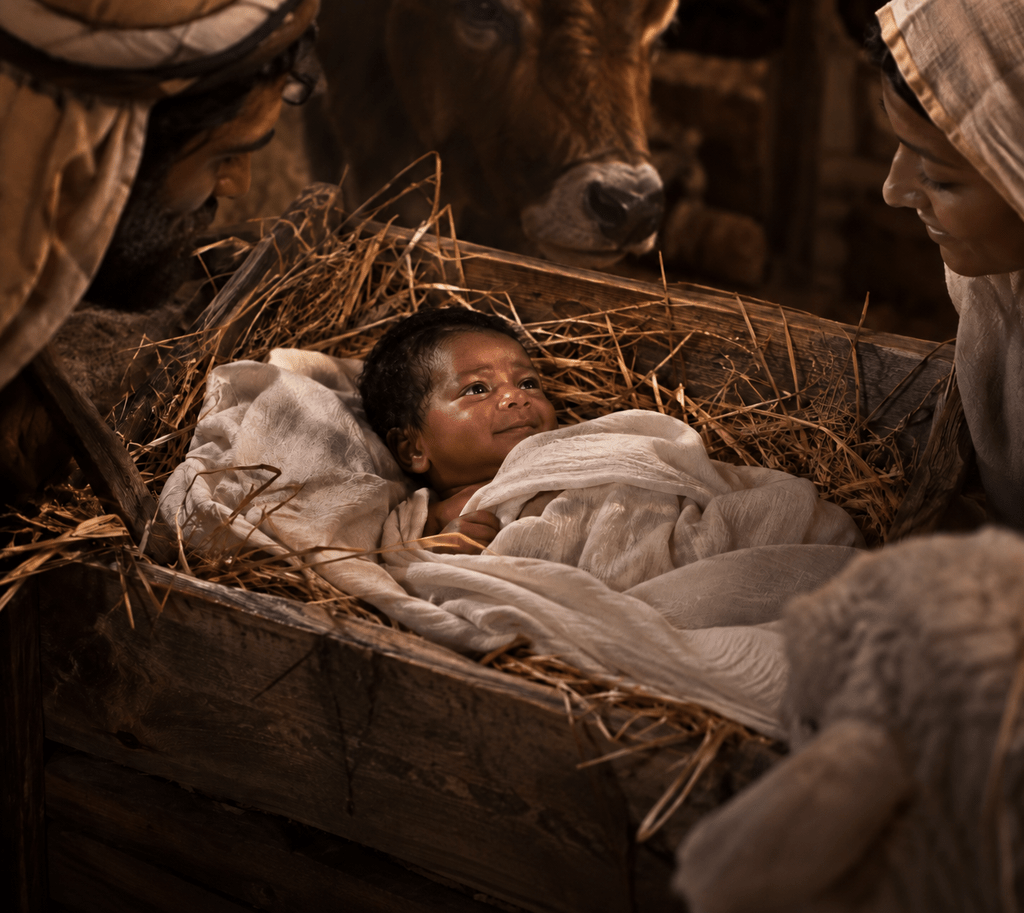
What is God like? Who can accurately describe Him? Can man find Him out by searching? Only that which is revealed to us is that which is known to us. Of all the attributes of the Divine made known to man, His humility stands out, He being all-knowing, all-powerful, and omnipresent.
He decided in eternity past that He would willingly humble Himself, veiling the manifestation of His attributes to accommodate His creatures. A mystery is that God chose to dim His glory to suit His creatures. This is one of the great mysteries of love: that an all-powerful Being willingly restrained the exercise of the fulness of His power toward the human race—the very fact that, though He knew the foolish choices we were to make, He still chose to humbly give us the ability and space to decide our own destinies. Divine humility is not God thinking less of Himself than He is; it is infinite greatness willingly accommodating itself to the weakness, finitude, and freedom of another. The Most High stoops—not because He must, but because love moves Him to do so.
The humble nature of God is one of His clearly revealed attributes. Christ declared, “I am meek and lowly in heart.” Of Him it is written, “…being in the form of God, thought it not robbery to be equal with God: But made himself of no reputation, and took upon him the form of a servant, and was made in the likeness of men: And being found in fashion as a man, he humbled himself, and became obedient unto death, even the death of the cross.” Now this very same Christ was “the brightness of his [God’s] glory, and the express image of his person…” The implication here is that the very act of condescension was an act of love manifested through humility, even self-subjection to humiliation.
Mankind rassles with the idea of a divine Being that willingly subjected Himself to humiliating circumstances, even up to death on the cross. We wonder and question the act, even labelling it as unreasonable, given that this God is able to devise a thousand ways to forgive His creatures. Though He can devise a thousand ways, He won’t; He can’t, for that would be a contradiction and denial of His nature. He is just and at the same time loving—No! He is love, and love is just. Therefore, love necessitates humility, and humility is the prerequisite to being like God. Since love essentially seeks the good of another, genuine love requires the willingness to make room for another, accommodate another, give to another, stoop toward another, restrain oneself for another, and, when necessary, sacrifice oneself for another. Humility, then, is an intrinsic part of God’s nature. Wherefore, whoever will be like Him must receive from Him the same virtue and primarily apply it in the process of knowing and becoming like Him.
Self-Sacrifice Is the Essence of True Love

Since love is just, it cannot devise another path to justify an offender but that an offender must get a just reward for his offence. It cannot acquit without a just punishment, for then it would be unjust and a liar. Love, with all the power in the world, with all the possible ways to turn things around, could not compromise its integrity and undermine its justness for peace and reconciliation, but gave itself to satisfy and uphold justice, whilst primarily revealing its true nature. This was not omnipotent love solving the sin problem through arbitrary power. God does not simply declare contradiction to be harmony, guilt to be innocence, or evil to be irrelevant merely because He possesses sufficient power to impose an outcome.
This is the essence of divine love: it is self-sacrificing by nature. Sacrifice is often associated with negativity, a loss, and even a painful exercise; yet, in the eyes of true love, it is a fruit of its genuineness, its purity, and nobility. Love is kind; it is constantly seeking to give itself for the good and benefit of its object. This is the love we behold on the cross of Calvary, coupled with its just nature. Though it will give itself freely for another, it will never palliate evil, nor will it ever belittle the sinfulness of sin. Therefore, instead of losing its object to justice, it gave itself for both its object and the satisfaction of justice. The same love that seeks the sinner is the love that refuses to lie about sin. Therefore, the Cross does not reconcile love against justice. It reveals just love.
On the cross, the self-sacrificing divine attribute was perfectly revealed; the Creator of the universe hung helplessly upon the nails shoved deep into His hands and feet by the very people He came to love and deliver from the power, the consequences, and the punishment of sin. Here, in the true story of the cross of Calvary, we see the epitome of true love.
Christ did not just die once; every day He laid aside the privileges of divinity, He veiled His divinity and embraced the limitations of humanity. In the face of derision, scorn and rejection, sorrow and grief, He bore Himself with divine dignity. The Cross was one historical death, but Christ’s self-giving did not suddenly begin on Friday afternoon. Creation, His incarnation, obscurity, service, endurance of misunderstanding, rejection, sorrow, temptation, human limitation, and continual giving of Himself preceded Calvary. He gave not only His life but His very self; the Creator became vulnerable to the creature so that the creature can clearly see the fulness of His love.
This, within humanity’s extremely limited capacity to perceive such divine beauty, is the beauty of the Godhead, the beauty of holiness. Self-sacrifice, together with humility, is a prerequisite of godliness. Christ declares, “If any man will come after me, let him deny himself, and take up his cross, and follow me” (Matthew 16:24). Dear reader, will you follow?
Bibliography
The Holy Bible. King James Version.
Genesis 1:26; Genesis 3:5; Job 11:7; Isaiah 14:12–14; Ezekiel 28:12–17; Matthew 11:29; Matthew 16:24; Romans 1:23, 25; Philippians 2:6–8; Hebrews 1:3; Revelation 12:4, 7–9.
Pascal, Blaise. Pensées. Translated by W. F. Trotter. Fragment 153, “Of the Desire of Being Esteemed by Those with Whom We Are.”
White, Ellen G. Patriarchs and Prophets. Chapter 1, “Why Was Sin Permitted?”
White, Ellen G. The Desire of Ages. Chapter 1, “God With Us.”
White, Ellen G. The Desire of Ages. Chapter 62, “The Feast at Simon’s House.”
White, Ellen G. The Desire of Ages. Chapter 68, “In the Outer Court.”
White, Ellen G. Letter 113a, 1897, paragraph 11. In Letters and Manuscripts—Volume 12 (1897).