The Limits of the Mind: The Psychology of the Fallen Mind and the Problem of Sin
The limited mental capacity to resist temptation and inability to change its condition.
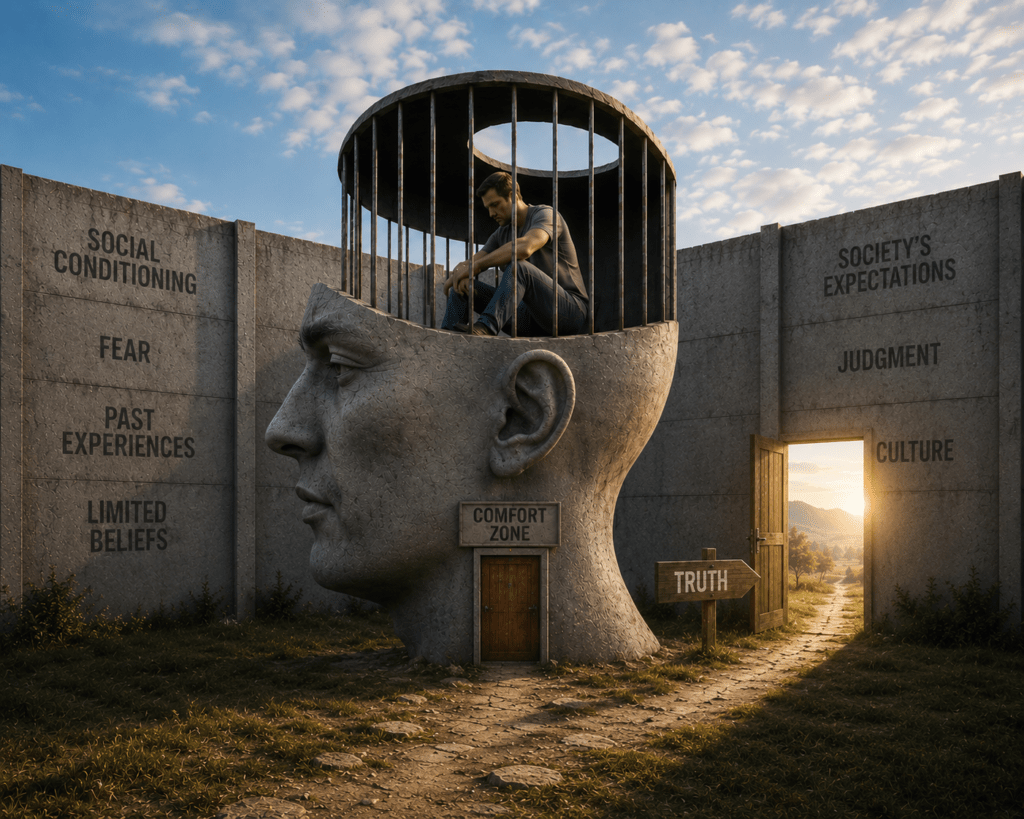
The limitations and scarcity of the mind’s capacity to wrestle against temptations to violate the moral laws as given by God are a problem we have to face more than we care to admit. We do not lack intelligence, neither are we plagued with ignorance in this age of abundance of information. The problem is not that we don’t have the ability to resist temptations, but that we lack the volitional endurance to resist long enough in the battle with sin. Therefore, our mental powers are inadequate for developing integrity of character and faithfulness toward God.In this matter, we are faced with the truth of how broken our minds are. Our very volitional energy, which is one of the greatest gifts that God gave to humanity, is impaired. Psychology attests to this problem: “Self-control appears to depend on a limited resource that becomes depleted after use… exertions of self-control do carry a psychic cost and deplete some scarce resource.”¹
This limitation points to our core issue. Even if we were to try to improve this condition, we could not. Inspiration, speaking not merely about our mental limitations but more so about our inability to change the condition of our hearts, clearly points out that “Education, culture, the exercise of the will, human effort, all have their proper sphere, but here they are powerless. They may produce an outward correctness of behavior, but they cannot change the heart; they cannot purify the springs of life.”²
The cause
This is not an attempt to define the mind, but to give a clear understanding of the cause of our mental limitations. Scripture long ago pointed out that “… they that are after the flesh do mind the things of the flesh; but they that are after the Spirit the things of the Spirit… Because the carnal mind is enmity against God: for it is not subject to the law of God, neither indeed can be.”3
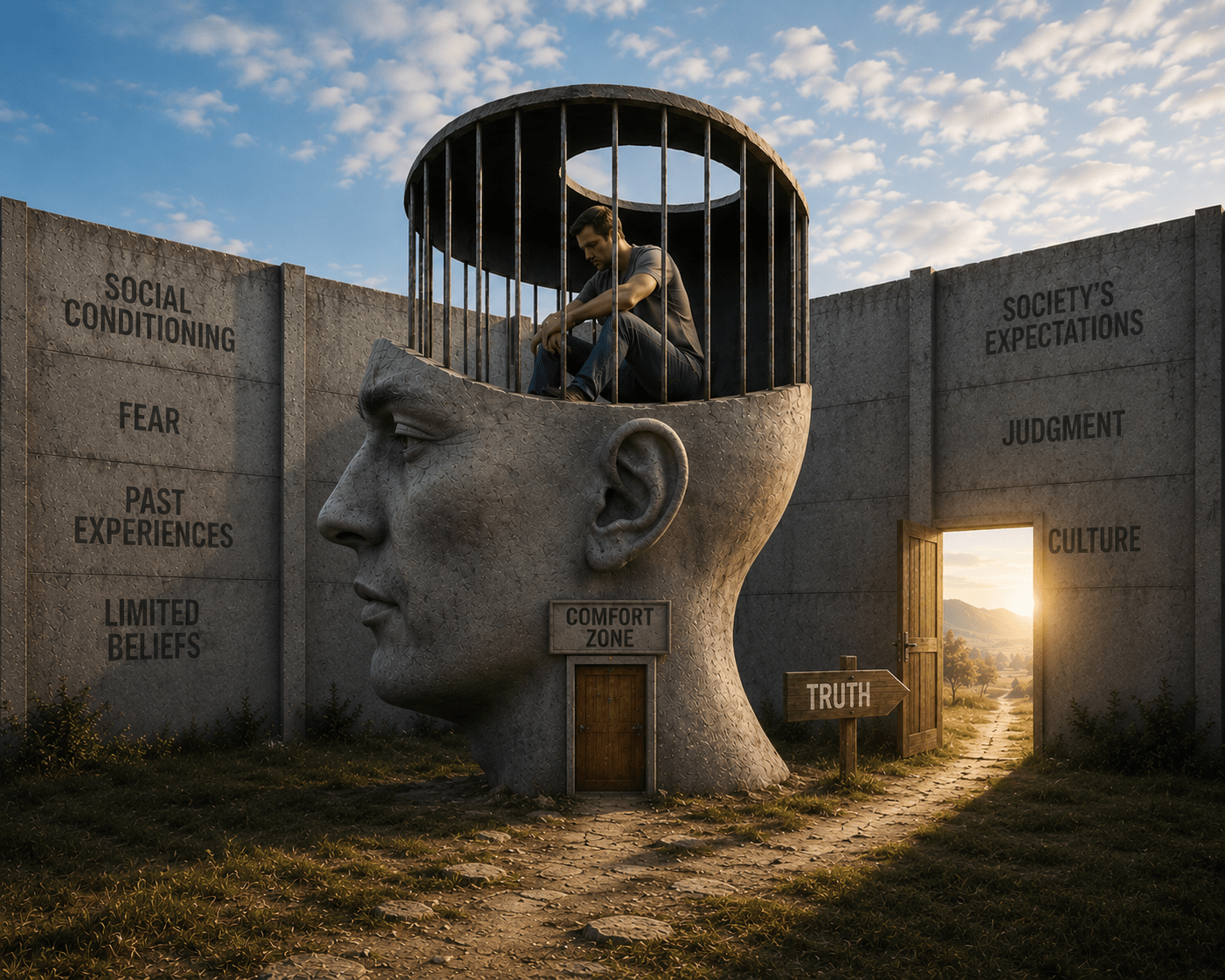
We are born with inherited inclinations toward sin; naturally, our mental disposition is contrary to God’s will. Therefore, we are by nature resistant to good. It is easier for us to think and act in ways that are against the truth than in ways that are for the truth. Since our natural mental disposition is enmity against the law of God, this affects our perceptions and shapes our worldview. We interpret life through a distorted lens. Our thinking processes are constantly misguided and thereby formulate perverse concepts in the areas of good and evil. Our very conceptualization of what constitutes truth are distorted.
From conception, our minds are imbalanced; this is what personality psychology refers to when speaking of impulsiveness, closed-mindedness, extreme pessimism, etc. Our very ability to order our minds in perfect harmony with the will and plan of God is limited. Our capacity to think and regulate our emotions is compromised. Therefore, our intellects are shortsighted, and our capacity to comprehend spiritual things is warped. Hence we read: “But the natural man receiveth not the things of the Spirit of God: for they are foolishness unto him: neither can he know them, because they are spiritually discerned.”4
Mental imbalance does not refer to clinical disorders in the strictest psychological sense in this context, but rather to weaknesses in our ability to utilize our mental faculties, such as our faculties to perceive reality and our capacity to reason.

Resistant to change
Due to our misperceptions of truth and our distorted concepts of life and spirituality, when encountering the truth we often manifest hostility toward it and aggressively defend our preconceptions at any cost to ourselves and others. We would rather build enormous towers of rebellion upon shaky foundations than dwell in the humble huts of truth built upon solid ground.
Just like our forefathers who preferred to erect the Tower of Babel as an escape from the reality that their hearts needed renewal, we too develop gigantic scientific and philosophical theories. Though they appear grand and wise, their substance is often wanting. Meanwhile, we reject the old ways of truth because, like a hut compared to a mansion, they appear foolish and uncomfortable, though they are monuments of enduring wisdom.
The mind naturally seeks internal stability. Once a person has built identity, reputation, tradition, career, or emotional security upon a certain framework, contrary truth creates dissonance, and dissonance is painful. We often build our lives upon certain worldviews and become comfortable and at home within these views. Our reasoning and behaviors become shaped by what we believe, are convinced of, trust, and rely upon. When these pillars are challenged, our minds respond with resistance rather than reason. Even when we reason, we often realize that change would require the reconstruction of our entire world, and this we refuse because we fear losing control.
Inversion of good and evil
In an attempt to preserve our current state, we rationalize and build walls of prejudice. This is one of the most dangerous forms of self-deception, manifesting itself through self-justification and hostility toward correction. It often leads to self-serving reasoning, where we selectively choose biased references that support what we already want to believe.
Naturally, when reasoning, we must present evidence to support our position. However, self-serving reasoning is dangerous, for it suppresses uncomfortable truths and corrupts the conscience. This is one of the highest forms of self-deception. One of the greatest hindrances to the entrance of truth is the love of pleasure in unrighteousness. We defend ourselves and suppress truth for self-indulgence; to satisfy our cultivated inclinations and preferences, we will go to any lengths. Herein lies the core of our problem: the inordinate love of self. We seek to satisfy our unbridled passions and uncontrollable appetites at any cost; our desires are exalted above truth and well-being. Repeated acts of sinful indulgence in our appetites and desires dull the conscience and lead to a normalization of sin.
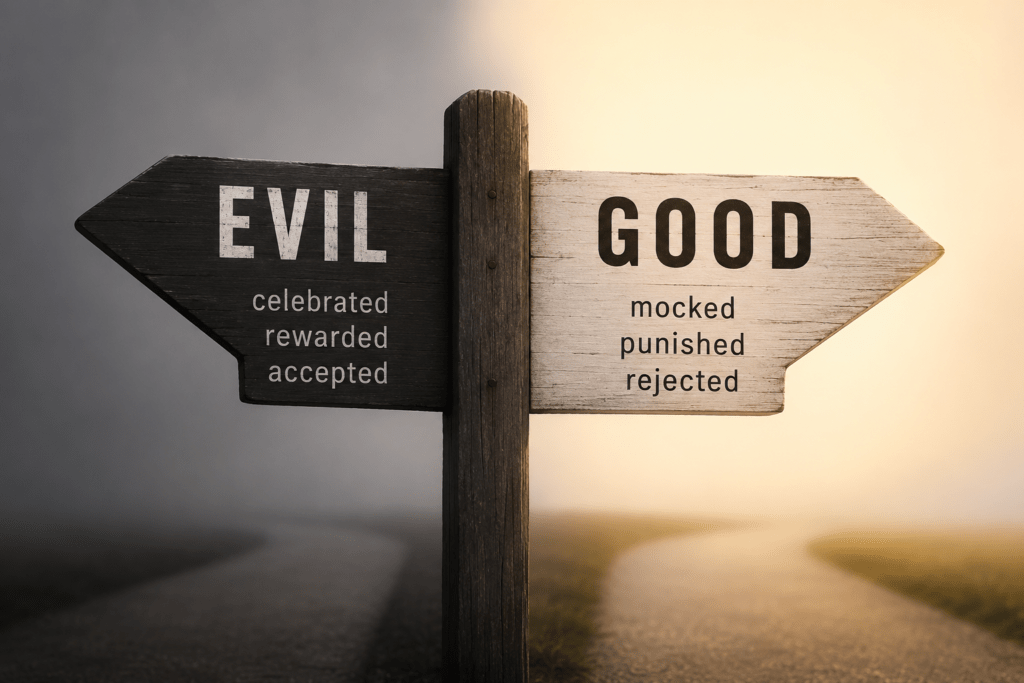
The pursuit of self-gratification, the resistance of truth, and the normalization of sin result in the inversion of good and evil. We begin to call what is good evil and what is evil good. Self-interest becomes the highest authority; evil is made to appear attractive, while good is made to appear restrictive and undesirable.
“Can the Ethiopian change his skin, or the leopard his spots? then may ye also do good, that are accustomed to do evil… The heart is deceitful above all things, and desperately wicked: who can know it?… Woe unto them that call evil good, and good evil; that put darkness for light, and light for darkness; that put bitter for sweet, and sweet for bitter! Woe unto them that are wise in their own eyes, and prudent in their own sight!”5 Our problem is not merely the limitations of our minds, nor ignorance, but the inability to change our hearts, the inordinate love of self, and hatred of truth.
Therefore, the crucial truth that we desperately need to accept is that we do need a Saviour. Though we deceptively think we are sufficient in ourselves, we are not. We need a renewal of our minds. We need divine power through Christ and the Scripture to bring into submission every thought, every feeling, and every behavior that seeks to exalt itself above truth, above the knowledge of the true God and Christ whom He has sent. We need to become partakers of the divine nature. We need a new and true concept of life.
References
- Roy F. Baumeister et al., “Ego Depletion: Is the Active Self a Limited Resource?” Journal of Personality and Social Psychology 74, no. 5 (1998), pp. 1252–1253.
- Ellen G. White, Steps to Christ, p. 18, para. 1
- Romans 8:5, 7 (KJV).
- 1 Corinthians 2:14 (KJV).
- Jeremiah 13:23; 17:9; Isaiah 5:20–21 (KJV).