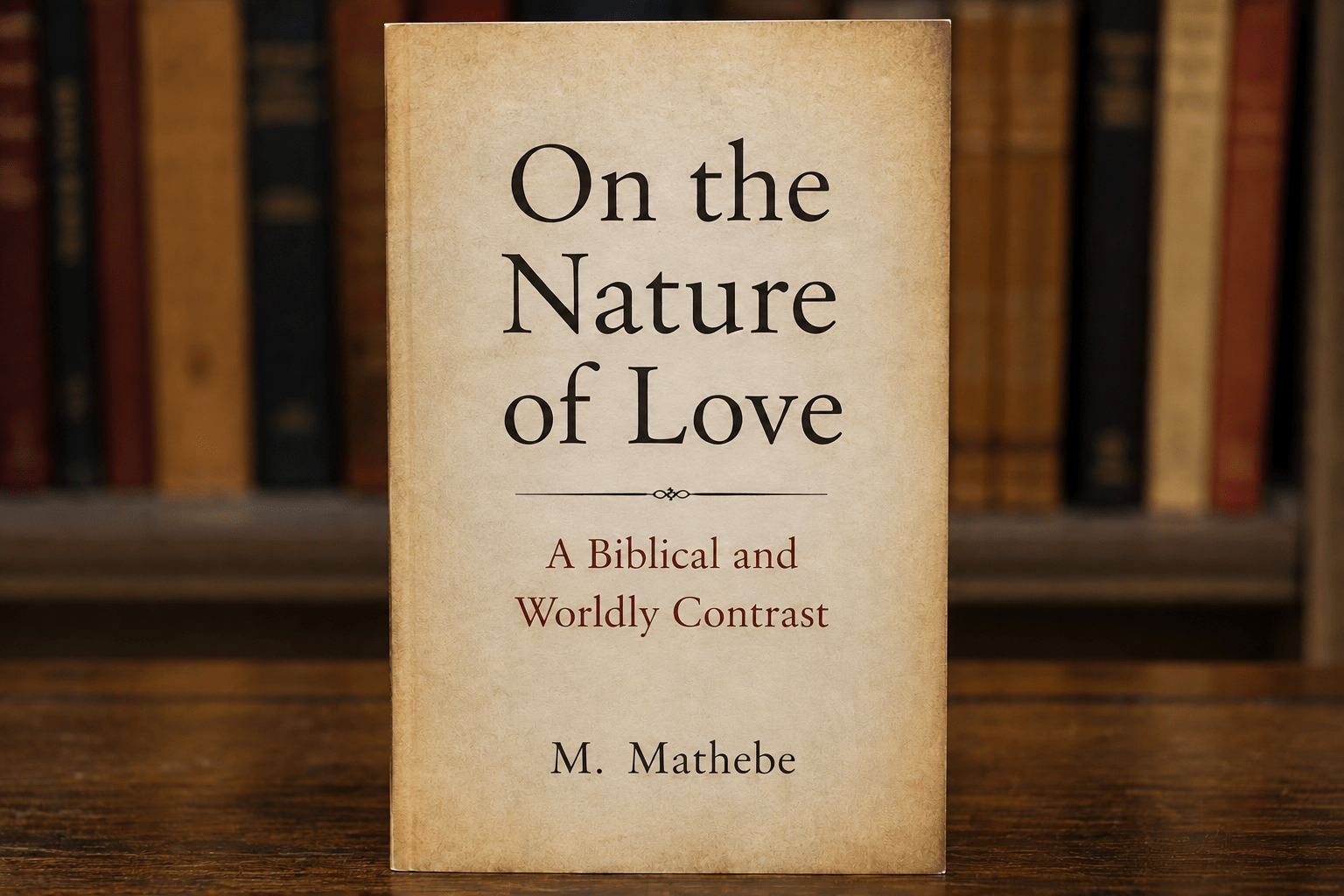
On the Nature of Love: A Biblical and Worldly Contrast
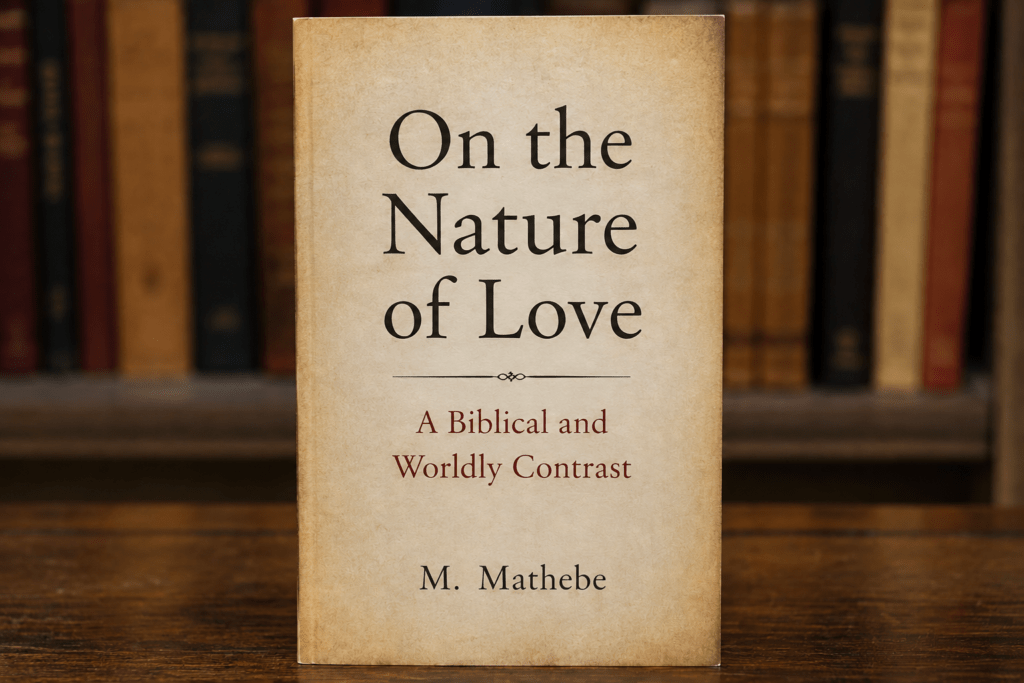
The word love has become a captive of two masters — one divine, the other human. The biblical witness declares, “God is love” (1 John 4:8), rooting love in the very being of God, uncreated and eternal. The world, however, speaks of love in tones borrowed from desire, romance, or fleeting affection. Thus, what Scripture calls the very essence of God, the world reduces to an emotional gust that blows where it wills and dissipates as quickly as it came.
At its core, worldly love begins in the self and terminates in the self. It asks, “How do you make me feel?” or “What do I gain from you?” Its foundation is utility — if the other ceases to please, the so-called love dissolves. It is fragile because it feeds upon sensation and circumstance. In this sense, worldly love is possession disguised as affection; it grasps in order to consume.
Biblical love, by contrast, is a movement outward from God to creation. It is not reactive but initiatory — “We love because He first loved us” (1 John 4:19). Unlike the world’s love, it is not sustained by the worthiness of the beloved but by the character of the Lover. Thus, God’s love rests not on what humanity is, but on who God is. Such love cannot be extinguished, for it is not tethered to human fluctuation but anchored in divine constancy.

Where the world’s love indulges, biblical love disciplines. Where the world excuses, biblical love corrects. For Scripture insists that true love cannot exist apart from truth: “Love does not rejoice in iniquity, but rejoices in the truth” (1 Corinthians 13:6). Love without truth is indulgence; truth without love is cruelty. Only in their union do we see the perfection of divine affection.
This contrast is vividly displayed in Christ. The world’s understanding of love would interpret the cross as foolishness — a loss, a defeat, an absurdity. Yet biblical love reveals the cross as the very climax of self-giving: “Greater love has no one than this, than to lay down one’s life for his friends” (John 15:13). The world seeks to preserve the self in love; Christ gives the self away in love.
Therefore, the biblical and worldly views of love are not merely different shades of the same color; they are two fundamentally distinct realities. The world names as “love” what is often only heightened desire or mutual use. Scripture names as love that which gives without demand, honors without condition, and endures without end. The one is fragile, the other eternal. The one consumes, the other creates. The one begins with man and collapses into nothingness; the other begins with God and stretches into eternity.